

Widescreen for regular videos, vertical for Shorts
Getting a video ready for YouTube starts with deciding which kind of video it will be. This page opens on 16:9, the widescreen frame, because that is where most people begin: a square export, an old 4:3 recording or a phone clip that has to sit in a standard player. Prefer a Short? Switch to 9:16 and the same tools work in a tall frame.
What YouTube itself says about shapes
YouTube's help center states that the standard aspect ratio on a computer is 16:9. It also explains that if your video has a different ratio, the player automatically changes to the ideal size to match your video and the viewer's device, and that vertical videos may get extra padding, white by default and dark gray in the dark theme. The same page advises creators not to add padding or black bars directly to a video, because that interferes with the player adjusting itself. So a video that is already vertical does not always need to be forced into widescreen: think about what you want viewers to see.
Resizing helps when the picture you made is not the shape you want to publish: a 4:3 recording that should fill a widescreen frame, a square clip reused as a video, or a landscape video you want as a Short. Two treatments are on offer. Fit leaves the picture whole and paints the spare width with a blurred, magnified copy of the footage, so the gaps never turn into flat black. Fill magnifies the picture to the edges, drops whatever falls outside and lets the AI keep the subject framed. Klipa starts on whichever looks likelier for your footage; you can swap it while the preview updates. Stretch is there too, but it warps proportions, so keep it for a clip that came out of an export squashed.
Two frames, depending on where the video will be seen
This page offers two frames: 16:9 for a standard YouTube video, such as 1920 by 1080, and 9:16 for a Short. If the same video has to exist in both shapes, prepare one version of each and compare them in the preview.
Limits worth knowing
Resizing re-frames; it does not add sharpness. A small, soft source stays small and soft in a bigger frame. It is also not a way to shrink a file on purpose. For weight, compress. And for a long landscape video that should be cut and turned vertical with the speaker followed automatically, Video to Shorts is the better route; here, you pick the frame and the way to fill it yourself.

What the tool produces
How to resize a video for YouTube in 3 steps
Add your video
Select the file on your computer or phone. Accepted types are MP4, MOV, AVI, MKV and WebM, up to 2 GB. Whatever its current shape, the page can reshape it.
Pick 16:9 or 9:16, then the fill
The page opens on 16:9 for a standard video. Choose 9:16 instead for a Short. Then decide between Fit, with a blurred backdrop, and Fill, with the subject tracked. Klipa suggests one for your footage.
Preview, then download
Review the frame in the preview, adjust the mode if something is cut that should not be, and download the MP4 to upload to YouTube from your computer or phone.
Why resize your YouTube videos with Klipa?
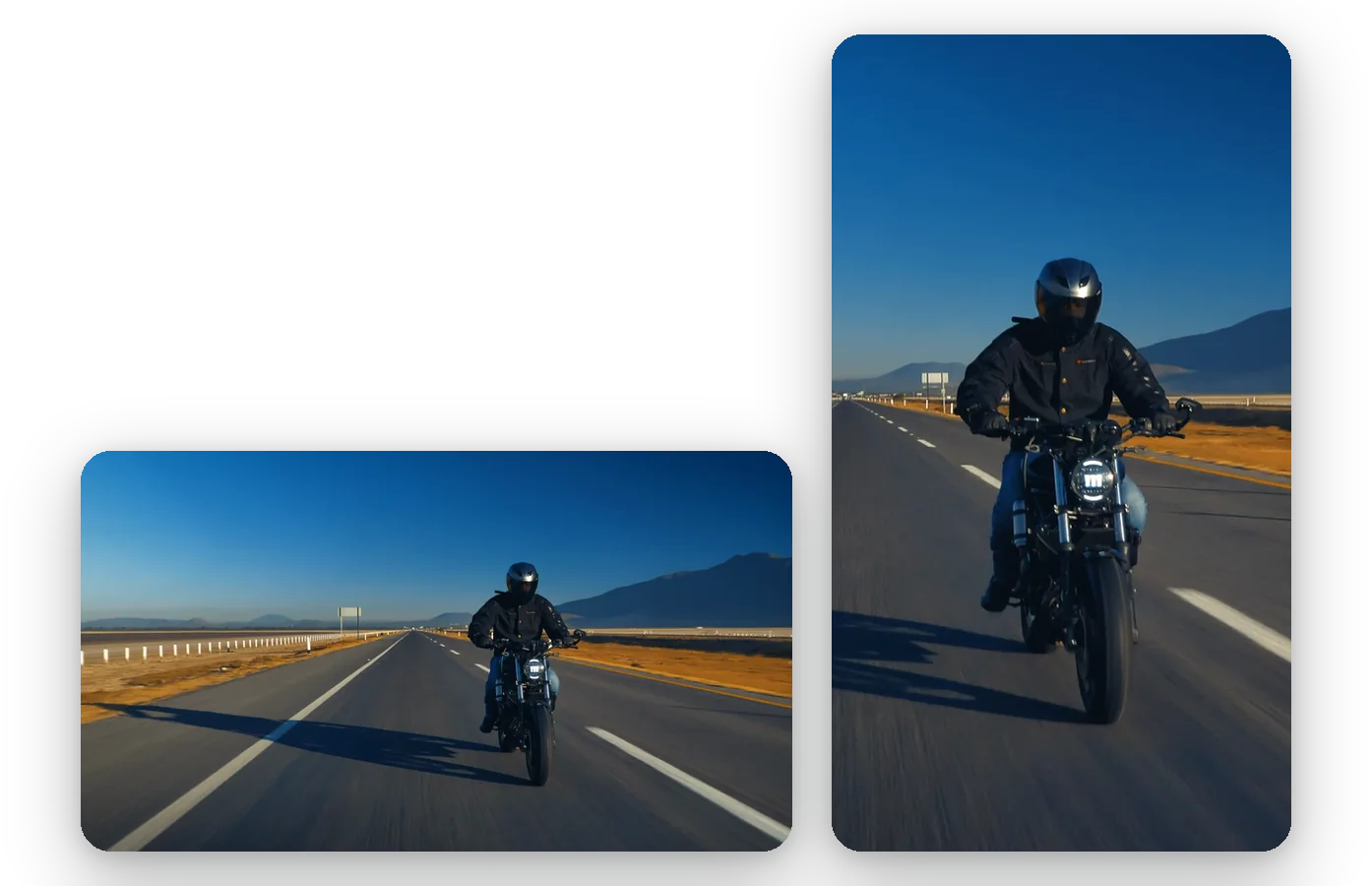
Both YouTube shapes, one page
A standard video and a Short do not share a frame. The page opens on 16:9 and moves to 9:16 in one tap, so the same upload can give you a widescreen file and a vertical file, one after the other.
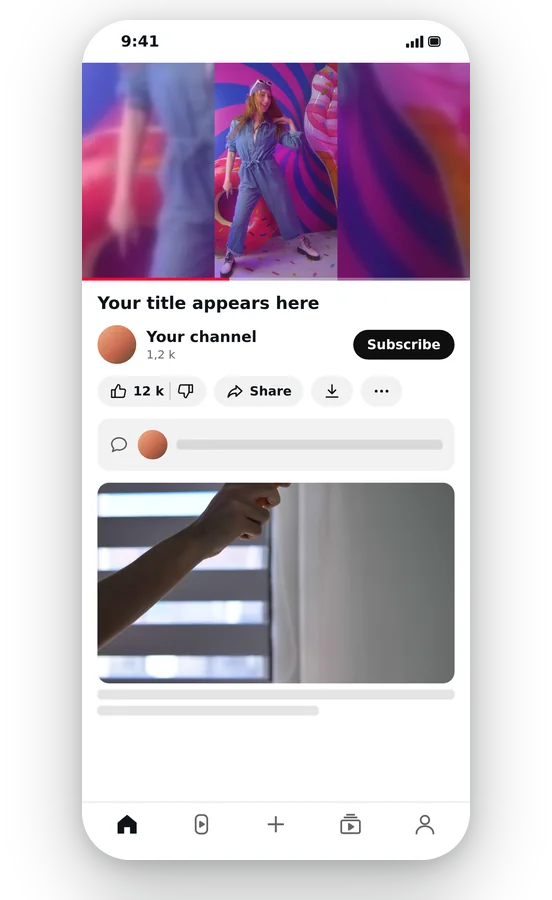
No flat black bars
When your clip does not match the frame, Fit fills the free space with a blurred, enlarged copy of the footage. Nothing is stretched out of proportion, and the surroundings look like part of the picture rather than a gap.
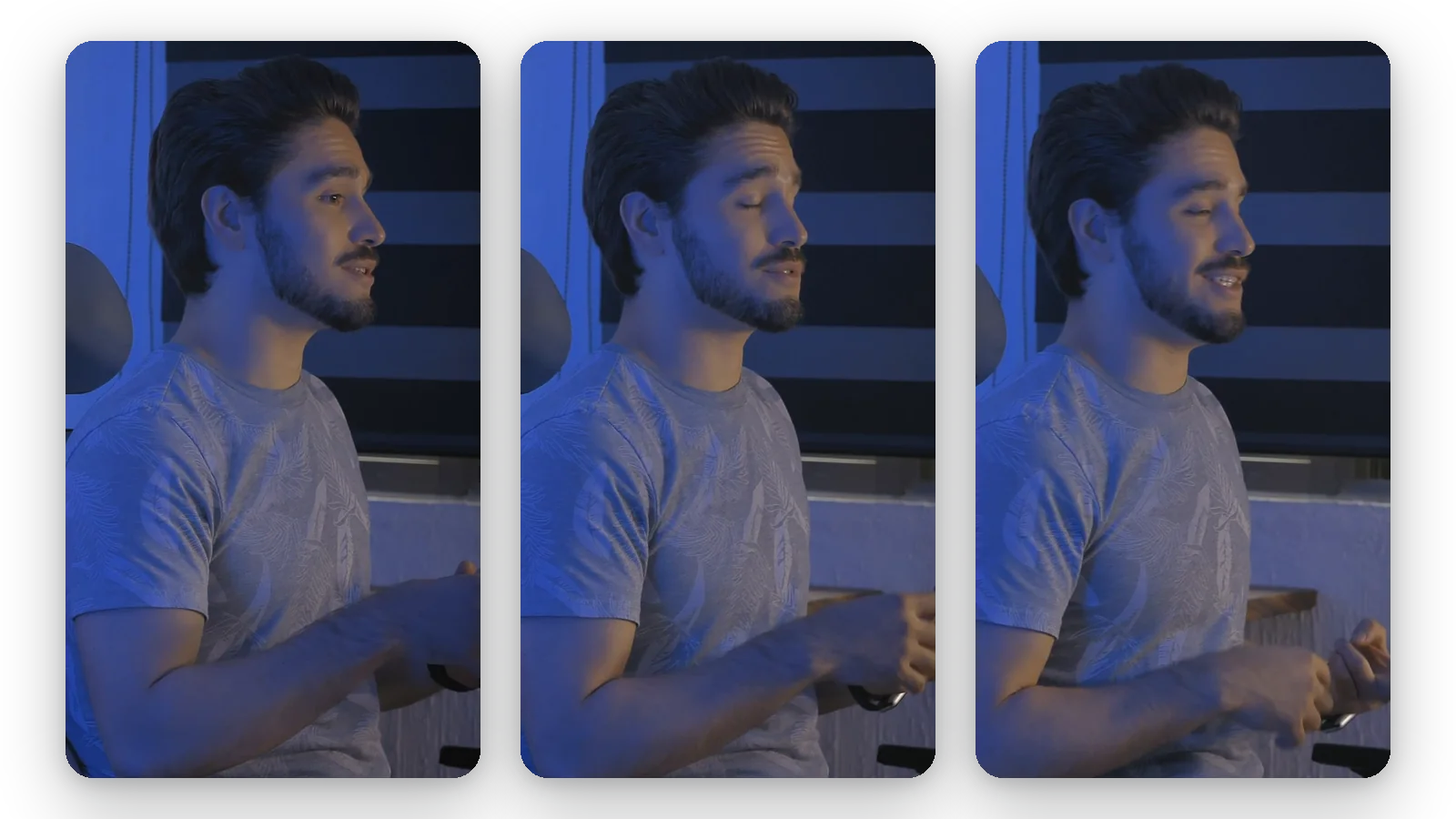
A crop that keeps the subject
Fill makes the picture cover the whole frame. The AI follows the main subject so a presenter, a product or a moving object remains inside what is left, even after the outer edges are trimmed away, which spares you from keyframing the crop by hand.
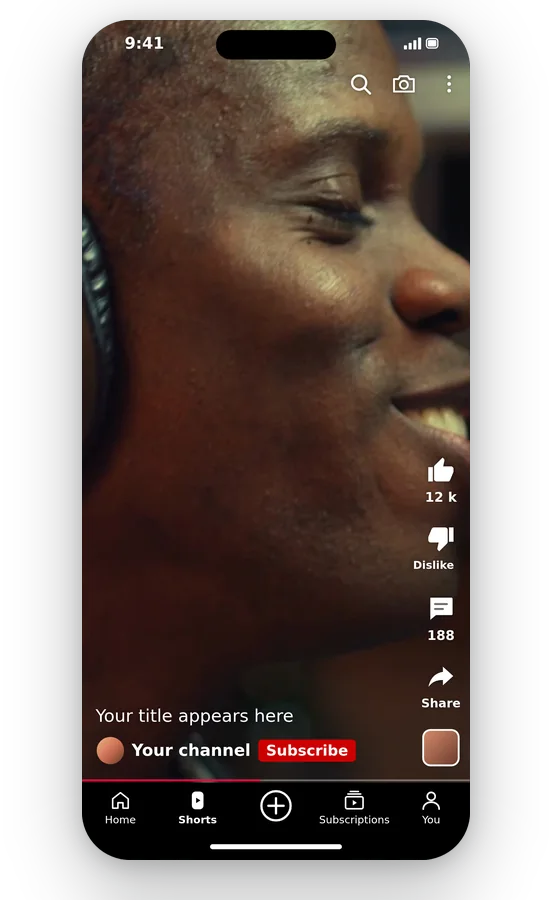
A resolution of your choice
Does a project or a template call for a more or less detailed file? Pick the resolution of the export. The sides are brought to even numbers, as video encoding requires, and the preview shows the result before you commit to anything.
When to resize a video for YouTube
Bring an old 4:3 recording to widescreen
Archive footage or a webcam capture in a boxy shape can be moved to 16:9. Fit keeps every part of the picture with blurred side areas, and Fill enlarges it to the full width at the cost of the top and bottom.
Turn a landscape video into a Short
Switch to 9:16 and choose whether the whole scene stays on a blurred backdrop or the frame is filled around the speaker. A quick way to produce a vertical version of something you already published.
Reuse a square or vertical clip as a video
A clip made for a feed or a phone-only audience can be placed in a 16:9 frame. Because YouTube advises against baking bars in, Fit with a blurred backdrop or Fill are both cleaner than adding black sides.
Choose between whole picture and full frame
A recording with text near the edges stays readable with Fit, while a close shot of a person is better with Fill. Compare the two in the preview before exporting, without going through your editing project again.
Prepare a video to hand to a client
An intro, an animation or a client brief may call for a specific frame, 16:9 or 9:16. Choose it, then preview the framing before exporting a file you can hand over.
Related Tools
Resizing a video for YouTube: frequently asked questions
What do I do to get a video ready for a YouTube upload?
Add the video, then choose the frame: leave 16:9 for a regular upload or tap 9:16 for a Short. Next, decide whether the whole picture stays on a blurred backdrop (Fit) or the frame is filled and trimmed (Fill). Preview it, then save the MP4 to upload from any device.
Are YouTube videos 16:9 or 4:3?
According to YouTube's help center, the standard aspect ratio for YouTube on a computer is 16:9. This page therefore opens on 16:9. A 4:3 recording can be moved to it with Fit or Fill, and the player adapts to other ratios by itself if you choose to leave them alone.
Is 1920x1080 a YouTube size?
1920 by 1080 is a 16:9 shape, so it matches the standard widescreen frame. On this page, choose 16:9 then the resolution you want, and check the preview before exporting. For the resolutions YouTube currently supports, check its help center rather than relying on a guide that may be out of date.
Can my widescreen recording become a Short?
Select 9:16. Fit keeps your entire 16:9 picture in the tall frame over a blurred backdrop, so nothing is lost but the picture is smaller. Fill covers the whole frame, trims the sides, and tracks the subject so it stays in view.
Is it wise to put black sides on a portrait video before uploading?
YouTube advises against adding padding or black bars directly to a video, since that interferes with the player adjusting to the viewer's device. If you want a vertical video to fill a widescreen frame, Fill crops it, and Fit uses a blurred backdrop rather than black. Leaving it vertical is also an option.
Will every edge of my footage survive a new shape?
Fit is the answer. The full picture sits inside the new frame, and the free space is covered with a soft, enlarged copy of your footage. No edge is cut and the proportions hold. Fill works the other way round: it deliberately trims so that the picture reaches every corner.
Does choosing 1920x1080 add clarity to a small source?
No: a larger canvas cannot bring back detail that was never captured, and going above the source resolution merely spreads the pixels you have. For better quality, start from the best original available rather than from a copy that has already been compressed.
Which button lightens a big YouTube file?
Resizing alters the frame, and a smaller frame may lighten a file along the way, but weight is not its goal. If the upload itself is the problem, the video compressor is built for it and keeps the resolution unchanged. In short, shape here, weight there.
Is the YouTube-ready file marked with Klipa's logo?
Yes: the resized video carries the Klipa logo. To download it clean, with no logo, get a Pass for that video or a Pro plan. Opening the page, changing the frame, comparing both fill modes and reading the preview costs nothing.
What suits a vertical copy of a long recording best?
Video to Shorts chooses where to follow the subject and returns a vertical video on its own. On this page you pick the frame yourself: widescreen or vertical, whole picture over a blurred backdrop or cropped. It is the better fit when you also want 16:9.
Resize your video for YouTube now
Widescreen or Shorts: reshape the frame and preview it before you download.
No credit card required
The right frame before you upload
A regular YouTube video and a Short begin from different frames, and this page handles both: stay on 16:9 or move to 9:16, then pick the whole picture or a subject-tracked crop. When the preview satisfies you, export the MP4. A file that turns out heavy can be slimmed with the video compressor at the same resolution, and a long landscape recording that should be cut and made vertical with the speaker followed automatically belongs in Video to Shorts. Between them, the two tools cover the usual route from recording to published video.
